Loading...
Serving Great Falls, MT and surrounding areas. (406) 216-0672
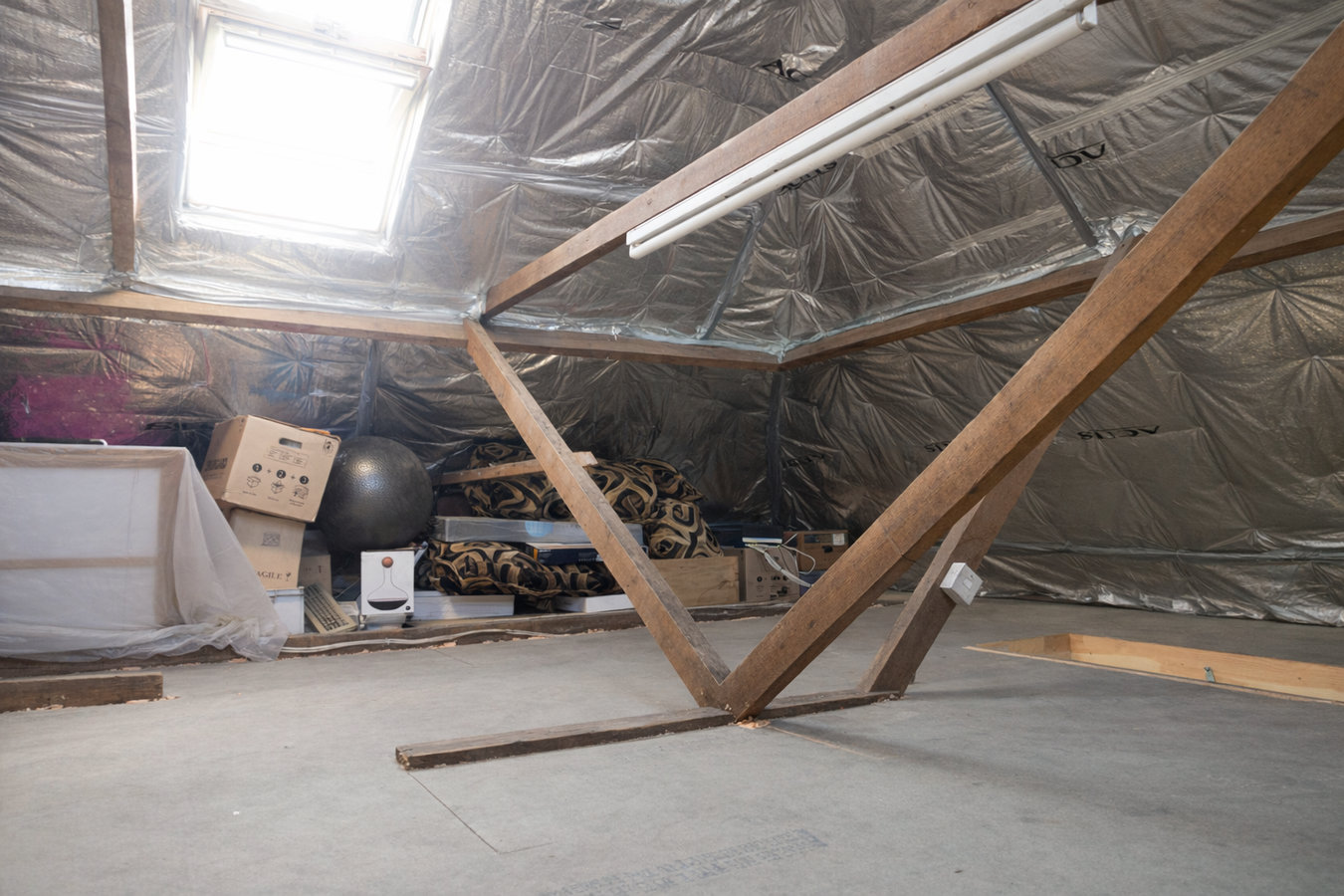
If your furnace runs constantly and your upstairs still feels cold, your attic is the most likely culprit. Heat rises and escapes straight through under-insulated ceilings - especially in Montana winters.
Attic insulation in Great Falls creates the thermal barrier between your living space and the sky - most standard residential jobs finish in four to eight hours, and your home starts holding heat immediately. Heat rises, and without enough insulation in your attic floor, it escapes straight through the ceiling before it ever warms your living space. In Montana climate conditions, the recommended depth of blown-in insulation is 14 to 18 inches - most older Great Falls homes fall well short of that.
Homes built before the 1990s in neighborhoods near downtown Great Falls often have original insulation that has settled, compressed, or was never adequate to begin with. The fix is not complicated, but it needs to be done right. A proper attic job includes air sealing around light fixtures, plumbing penetrations, and the attic hatch before any new material goes in - because insulation slows heat movement, but air sealing stops cold drafts from bypassing it entirely. Many homeowners also pair their attic upgrade with attic air sealing as a standalone step for maximum benefit.
The ENERGY STAR program recommends significantly higher insulation levels for Montana than most older homes were built to - and the payback in lower heating bills is real, particularly with the long heating seasons Great Falls homeowners face.
If your NorthWestern Energy bill has crept up over the past few winters and your furnace seems to run almost constantly, inadequate attic insulation is one of the first things to investigate. Heat rises, and an uninsulated attic lets it escape before it warms your home.
Stand in your upstairs rooms on a cold, windy Great Falls day and pay attention to whether the air near the ceiling feels noticeably colder. Cold spots near ceiling fixtures or the tops of walls are a sign that cold air is entering through gaps in the attic floor.
If you can safely peek into your attic and see the wooden framing members poking above the insulation - or if the material looks thin and compressed - you almost certainly do not have enough. In Montana, joists should be completely buried and invisible.
Ice dams form when heat escaping through an under-insulated attic warms the roof deck, melts snow, and refreezes at the cold eaves. Great Falls gets enough snow and cold to make ice dams a recurring problem - and they can force water under shingles and into the home.
Most of our attic insulation work in Great Falls uses blown-in loose-fill material - cellulose or fiberglass - because it fills around joists, pipes, and odd corners without leaving the gaps that batts often miss. For homeowners who want maximum moisture resistance or are dealing with an unvented attic assembly, we also install spray foam in the attic space. We pair every blown-in job with air sealing around penetrations in the attic floor before the new material goes in. That step is often skipped by less thorough crews, but skipping it means cold air can still bypass the insulation through cracks around light fixtures and plumbing pipes.
If your attic has existing insulation that is damaged by moisture, pests, or age, we can remove it before the new material goes in. Some Great Falls homes - particularly those built in the 1950s and 1960s - have insulation that has settled so much that starting fresh is the right call. We will assess the existing material during the estimate visit and give you a clear recommendation. We also offer blown-in insulation for wall cavities and other areas of the home beyond the attic.
The most common choice for Great Falls homes - fills around joists and corners, reaches the depth Montana winters require.
Best for homes with drafts near the ceiling or a furnace that runs constantly - addresses the root cause, not just the symptom.
Right for homes with moisture-damaged, pest-disturbed, or heavily settled original insulation that needs to come out first.
A simple add-on that prevents the attic access point from becoming a cold air pathway into your home all winter.
Great Falls is in one of the coldest residential climate zones in the country. The heating season effectively runs from October through April, and the city is known for powerful Chinook winds that can drive cold air through tiny gaps far more aggressively than in calmer climates. An attic insulation contractor who skips air sealing before adding insulation is leaving the most important part of the job undone - because wind pressure forces cold air through cracks around light fixtures and attic hatches in ways that no amount of added insulation thickness will fix on its own. Homes in the older subdivisions on the city's east side and the craftsman bungalows near downtown are especially likely to need both steps.
We serve all of the Great Falls area, and our crews regularly work in communities throughout north-central Montana. Homeowners in Lewistown, MT and Havre, MT face the same climate demands, and we bring the same approach to every job in the region. If you are not sure whether we serve your area, call us and we will let you know right away.
We will ask a few basic questions - your address, the age of your home, and whether you have noticed any specific problems like high bills or drafts near the ceiling. We respond within 1 business day and schedule a free in-home estimate.
We inspect your attic, measure the current depth and condition of your insulation, and look for air gaps. You get a written estimate covering the scope, materials, and total cost. We will tell you upfront if old material needs to come out first.
The crew arrives with a truck-mounted blowing machine and runs hoses to your attic access. They seal gaps first, then blow in the new material to the correct depth. Your living areas are not disturbed. Most standard jobs finish in four to eight hours.
Before the crew leaves, we walk you through the completed attic so you can see the coverage and depth, ask questions, and confirm everything matches what was quoted. There is no curing time - the insulation works immediately.
We respond within 1 business day - no obligation to book. After you submit, someone from our office will call to schedule a free in-home assessment at a time that works for you.
(406) 216-0672You get a written scope before we start and a walkthrough when we finish. Our experienced crews coordinate any permits the job requires and leave you with a clear record of exactly what was done.
We are a local company based in Great Falls - not a national franchise dispatching a subcontractor from another city. We know the housing stock here, respond faster than out-of-area contractors, and stand behind work in our own community.
A lot of contractors blow in new material without sealing the gaps in the attic floor first. We seal penetrations around light fixtures, plumbing pipes, and the attic hatch before any insulation goes in. That step is what actually stops the drafts.
NorthWestern Energy periodically offers rebates for qualifying home insulation upgrades in Great Falls. We can help you understand whether your project qualifies before you commit - potentially reducing your out-of-pocket cost. Check current programs at the NorthWestern Energy efficiency page.
Every attic job we do in Great Falls starts with a proper assessment and ends with a walkthrough so you can see exactly what was done. Ready to get started? Request a free estimate or call (406) 216-0672.
Blown-in insulation for wall cavities and other areas of your home beyond the attic - the same loose-fill approach used in attic floors, applied wherever gaps need filling.
Learn moreAir sealing as a dedicated service - sealing gaps around penetrations in your attic floor before or alongside new insulation, to stop cold drafts from bypassing the thermal barrier.
Learn moreGreat Falls heating season starts early - book your installation now and feel the difference before the first hard freeze.