Loading...
Serving Great Falls, MT and surrounding areas. (406) 216-0672
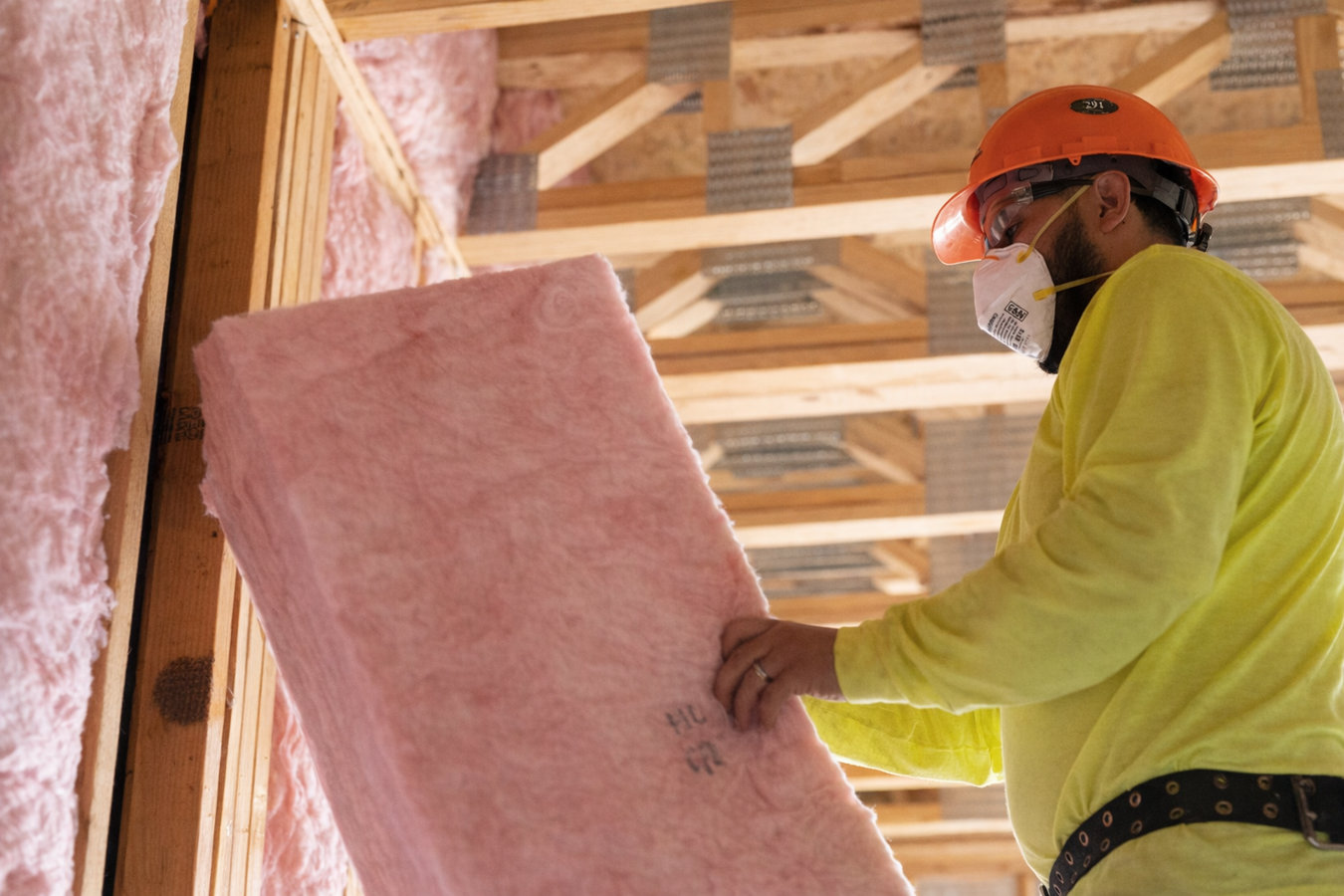
Your home is losing heat every hour of every Montana winter. Retrofit insulation fixes that without tearing out a single wall - we work with what is already there to stop the heat from escaping.
Retrofit insulation in Great Falls adds insulation to an existing home without demolition - most attic jobs finish in a single day, and wall insulation projects wrap up in two to three days while you stay in the house. The process works by blowing loose insulation material into wall cavities through small drilled holes, topping up attic floors on top of existing material, and sealing the rim joists and crawl space areas where heat slips out at the edges. Great Falls sits in one of the coldest climate zones in the country, and homes built here before the 1990s were almost never built to the thermal performance standards that Montana winters actually demand. A retrofit project targets the specific spots where your home is bleeding heat and seals them.
A significant share of the homes in Great Falls were built between the 1940s and the 1970s, when wall insulation was minimal or missing entirely and attic coverage was far below what is recommended today. If your heating bills have been climbing every year, or if certain rooms never seem to warm up no matter what you set the thermostat to, your home is very likely a good candidate for a retrofit upgrade. Pairing insulation with home insulation services means addressing every part of the building envelope in one coordinated effort.
The U.S. Department of Energy recommends significantly higher insulation levels for cold-climate states like Montana than for most of the rest of the country. Many older Great Falls homes fall well short of those benchmarks - a retrofit project brings them up to where they should be.
If your gas or electric bill has crept up over the past few winters without any change in how you use heat, poor insulation is one of the most common causes. In Great Falls, where the heating season runs from October through April and temperatures regularly drop below zero, an under-insulated home can cost hundreds of dollars more per year than it should. That extra money is going straight through your attic and walls.
A bedroom over a garage, a corner room, or anything on the north side of the house that always feels colder than the rest of the home - these are classic signs that insulation in that area is thin or missing. Great Falls winters are too long and too cold to accept a permanently cold room. If turning up the thermostat does not fix it, adding insulation usually does.
Hold your hand near an electrical outlet on an exterior wall on a windy day. If you feel cold air moving, it is getting in through gaps in the wall cavity. Great Falls is one of the windiest cities in Montana, and that wind actively pushes cold air through openings that would not matter in a calmer climate. Insulation and air sealing together stop this.
If snow melts faster in some patches on your roof than others, heat is escaping unevenly through your ceiling - a direct sign of insufficient attic insulation. In Great Falls, uneven snow melt is also a warning for ice dams, which form when that escaping heat melts snow that then refreezes at the cold eaves and backs water up under your shingles. Getting the attic insulated properly addresses both problems.
Every retrofit project starts with a walkthrough of your home. We check the attic, look at the walls, and go under the house if there is a crawl space - because the best place to start depends on where your home is losing the most heat, and that is different for every house. Air sealing is always part of our process before new insulation goes in. Stopping the gaps that let cold air sneak past is just as important as the insulation itself, especially in a windy city like Great Falls. We work across all the common retrofit areas: attic floors, rim joists, wall cavities, and crawl space ceilings or floors depending on the construction. For homes that need a complete solution, we also coordinate with our commercial insulation team for mixed-use or larger residential properties.
Many Great Falls homeowners start with an attic upgrade because it delivers the biggest return for the cost, then add wall insulation in a second phase. Others tackle the whole house at once to take advantage of a single mobilization. We give you a written estimate broken down by area so you can decide how to prioritize. The federal tax credit currently covers up to 30% of your insulation project cost - ask us which materials qualify. We also coordinate well with our home insulation service for homeowners who want a complete building-envelope assessment rather than a targeted retrofit.
The right starting point for most Great Falls homes - adds blown-in material over existing attic insulation to bring coverage up to the levels Montana winters require.
Suited for older homes with little or no insulation in the wall cavities - contractor drills small holes, blows in material, then patches and paints before leaving.
For homes where cold floors and drafty lower levels signal that the edges of the foundation and the crawl space ceiling are uninsulated or under-insulated.
Ideal for homeowners who want to address attic, walls, and crawl space in one project and maximize the federal tax credit and any available NorthWestern Energy rebates.
Great Falls has some of the most demanding heating conditions in the continental United States. Winter temperatures regularly drop well below zero, and the heating season stretches from October through April - sometimes into May. Great Falls is also one of the windiest cities in Montana, which means wind-driven infiltration actively pushes cold air through every gap and crack in your home. Insulation alone slows heat transfer, but without air sealing, that wind pressure defeats a lot of what the insulation does. The combination of extreme cold, a long heating season, and persistent wind is exactly why a home that was built to minimum standards in 1965 feels like a draft machine today. A retrofit that does both - insulation and air sealing together - is the right answer for this climate. Homes near the Missouri River valley, where chinook winds channel most strongly through the area, tend to feel the benefit of this work most quickly.
We serve homeowners throughout the region, including in Havre, MT and Lewistown, MT, where older housing stock and harsh northern Montana winters create the same retrofit insulation challenges. If you are outside Great Falls proper and are not sure we cover your area, call and we will give you a direct answer.
We ask a few basic questions - the age of your home, which rooms feel cold, and whether you have had any insulation work done before. We respond within 1 business day and schedule a free in-home walkthrough. No technical knowledge required on your end.
A contractor walks your attic, checks the walls, and looks at crawl spaces and rim joists. We check for air leaks around pipes, wires, and light fixtures - because sealing those gaps is part of a proper retrofit, not an afterthought. The walkthrough usually takes 45 to 60 minutes.
After the walkthrough you receive a written estimate that explains what work we are recommending and why, broken down by area and material. We also note which products qualify for the federal tax credit and any current NorthWestern Energy rebates - no surprises on billing day.
The crew handles the work - blowing in attic material, drilling and patching wall cavities, sealing rim joists. Attic jobs usually finish in a single day; wall work may add a day. Before leaving, we walk you through what was done and provide the documentation you need for tax credit claims.
We respond within 1 business day - no obligation to book. After you submit, someone from our office will call to schedule a free in-home walkthrough at a time that works for you.
(406) 216-0672We are a Great Falls company. We know the craftsman bungalows near downtown, the ranch homes from the 1960s and 1970s out toward Malmstrom, and the construction patterns of each era. That local knowledge shapes every recommendation we make - what is a priority in a 1950s home is different from what a 1980s home needs.
Our experienced crews document the work from written estimate through final walkthrough, and we provide product documentation after every job so you have what you need to claim the federal tax credit. You get a clear record of exactly what was installed.
Great Falls is too windy for insulation without air sealing to do its full job. We seal the gaps around pipes, wires, and fixtures before adding any new material - every time. Contractors who skip this step save themselves time and cost you performance. We do not cut that corner.
We serve Great Falls and 11 surrounding communities. More than 200 homes across Cascade County and the surrounding region have called us for insulation work. We know what older Montana homes look like on the inside and we come prepared for what we find.
The ENERGY STAR Seal and Insulate program outlines the same approach we follow: air seal first, then insulate, and document every product for tax credit purposes. We follow that process on every retrofit job in Great Falls. Request a free estimate or call (406) 216-0672.
Insulation services for commercial buildings and mixed-use properties in Great Falls - same thorough approach, scaled for larger structures and Montana code requirements.
Learn moreA complete building-envelope assessment and insulation upgrade for Great Falls homes - covers every area from attic to crawl space in one coordinated project.
Learn moreGreat Falls winters hit hard and early - getting your insulation upgraded before October means you feel the difference from day one of the cold season, not halfway through it.