Loading...
Serving Great Falls, MT and surrounding areas. (406) 216-0672
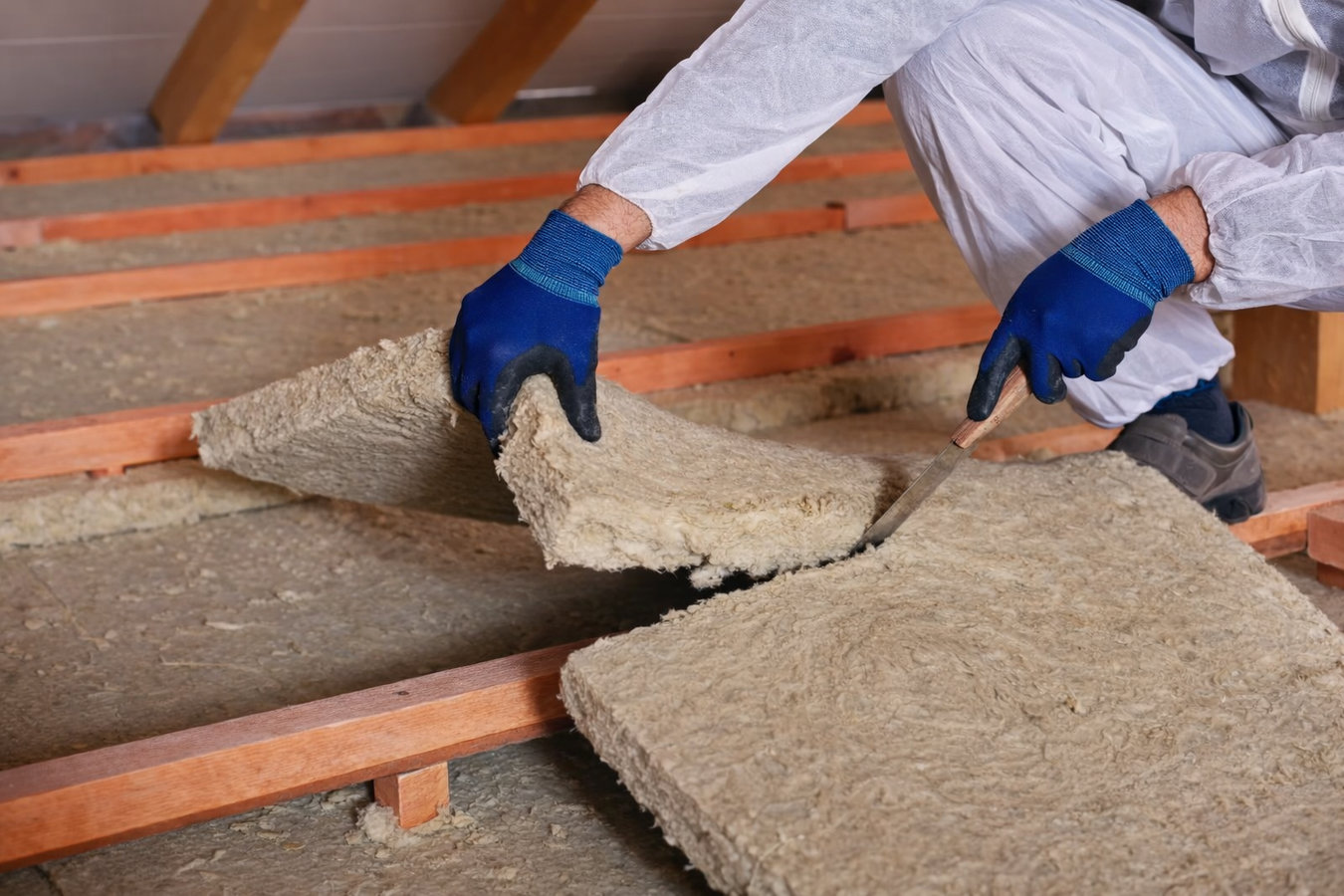
Old or contaminated insulation does not just stop working - it can trap moisture and harbor pests. We remove it safely so your next installation actually performs.
Insulation removal in Great Falls means extracting old, damaged, or contaminated insulation from your attic, crawl space, or walls so the space can be cleaned and properly re-insulated - most standard attic jobs wrap up in a single day. Contractors use powerful vacuum systems to pull the material out without scattering debris through your living areas. The result is bare framing you can actually see, which is the only real starting point for insulation that will perform through a Montana winter.
A lot of Great Falls homes were built in the mid-20th century, and many of them still have their original insulation - compressed, moisture-damaged, or in some cases made from materials no longer considered safe. Installing new insulation over old, failing material is a shortcut that does not work; the old layer traps moisture and reduces the new layer from performing at its rated value. Pairing removal with crawl space insulation or a full retrofit insulation upgrade is the cleanest path to a home that actually holds heat.
The U.S. Environmental Protection Agency recommends proper containment and disposal procedures for insulation removal, especially in older homes where hazardous materials may be present - something every Great Falls contractor should follow as standard practice.
If your gas or electric bill has gone up noticeably over the past winter or two and your habits have not changed, failing insulation is one of the first things to check. In Great Falls, where heating season runs from October through April, a compromised attic or crawl space makes your furnace work much harder than it should.
Rodents do not just damage insulation - they contaminate it with droppings and urine in ways that create real health risks. If you have seen signs of mice or heard movement overhead, the insulation in that space very likely needs full removal rather than a patch job. This is a common situation in older Great Falls neighborhoods where gaps in the building envelope are more frequent.
Insulation from the 1970s or earlier has had decades to compress, absorb moisture, and degrade. In some cases it may also contain materials that are no longer considered safe. If your Great Falls home has never had its insulation inspected or replaced, it is worth a look before another harsh winter.
A musty smell in your upper rooms or water stains on the ceiling that do not trace back to a roof leak often point to moisture trapped in the insulation. Great Falls wind-driven weather can push moisture into attic spaces in ways that are not visible until the damage is already done. Once insulation is wet and stays wet, it needs to come out.
We handle attic insulation removal as our most common job - using a truck-mounted or high-capacity HEPA vacuum system to extract blown-in or batt material and seal it for disposal outside your home. The crew seals off the work area before starting so dust and debris do not travel into your living space. When the job is done, you should be able to see bare, clean framing from the attic hatch before any new material goes in.
We also remove insulation from crawl spaces and - where accessible - wall cavities during gut renovation projects. Every removal job that involves a pre-1980 home includes a recommendation for material testing before work begins, because skipping that step puts everyone at risk. Once removal is complete, the space is ready for whatever comes next, whether that is new crawl space insulation or a full retrofit insulation package for the whole home.
Right for homes with degraded, compressed, or rodent-contaminated blown-in or batt insulation above the living space.
Best for homes with moisture-damaged or sagging batt insulation between floor joists, or spaces being converted to full encapsulation.
Required for any pre-1980 home before removal begins - we coordinate the sample collection and lab process.
Necessary after rodent or wildlife activity - the space is treated and cleaned before any new insulation is installed.
Great Falls has a large share of homes built in the 1940s through the 1960s, when insulation standards looked very different from what we expect today. Many of those original materials have had 60 or 70 years to compress, absorb moisture from Great Falls winters, and in some cases attract rodents looking for warm shelter. The city is also one of the windiest in Montana - that wind drives moisture into attic and crawl space areas in ways that are not obvious from inside the house until the damage is already significant.
We serve homeowners throughout the region. If you are in Havre, MT or Lewistown, MT, you face the same aging housing stock and harsh climate conditions as Great Falls homeowners. Call us and we will let you know if we can get to your location.
We will ask about your home's age, where the insulation is located, and whether you have noticed moisture, pests, or odors. We respond within 1 business day and will schedule a free on-site assessment - phone estimates for removal work are not reliable.
We inspect the attic, crawl space, or target area in person. If your home was built before 1980, we will recommend sending a sample to a certified lab before any removal begins. You receive a written quote covering scope, access method, and total cost.
The team seals off the work area, runs vacuum hoses from outside to the space, and pulls all material into sealed bags or a truck-mounted container. Most standard attic jobs are finished in a single day. You can stay home unless hazardous material is confirmed.
Before leaving, we walk you through the cleared space so you can see bare framing and confirm nothing was missed. We handle any required permit inspections so you do not have to manage that process yourself.
We respond within 1 business day - no obligation to book. After you submit, someone from our team will call to schedule a free on-site visit at a time that works for you.
(406) 216-0672We do not skip the hazardous material testing step on older homes. A lab sample before removal is the only reliable way to know what you are dealing with, and it protects everyone involved - including your family.
A removal job is only done when you can see bare framing. We do not consider a job finished if there is loose material remaining in corners or along the eaves. Clean framing is the only acceptable starting point for new insulation.
Our experienced crews pull permits where required and handle city inspections so you do not have to. We document the job from written estimate through final walkthrough, leaving you a clear record of what was removed and installed.
We have worked on homes throughout Cascade County and the surrounding region - from older downtown bungalows to ranch homes on the east side near Malmstrom. We know what Great Falls homes typically look like inside.
Every removal job we do is meant to be the last time that space needs to be touched. We work cleanly, we test when the home demands it, and we hand the space back to you ready for whatever comes next.
Seal and insulate the space under your home after old material has been cleared out.
Learn moreUpgrade your whole home's thermal performance after removal - adding insulation where it was missing or failing.
Learn moreBefore another Montana winter, make sure your attic or crawl space is starting fresh - call us today or submit a request and we will be in touch within 1 business day.