Loading...
Serving Great Falls, MT and surrounding areas. (406) 216-0672
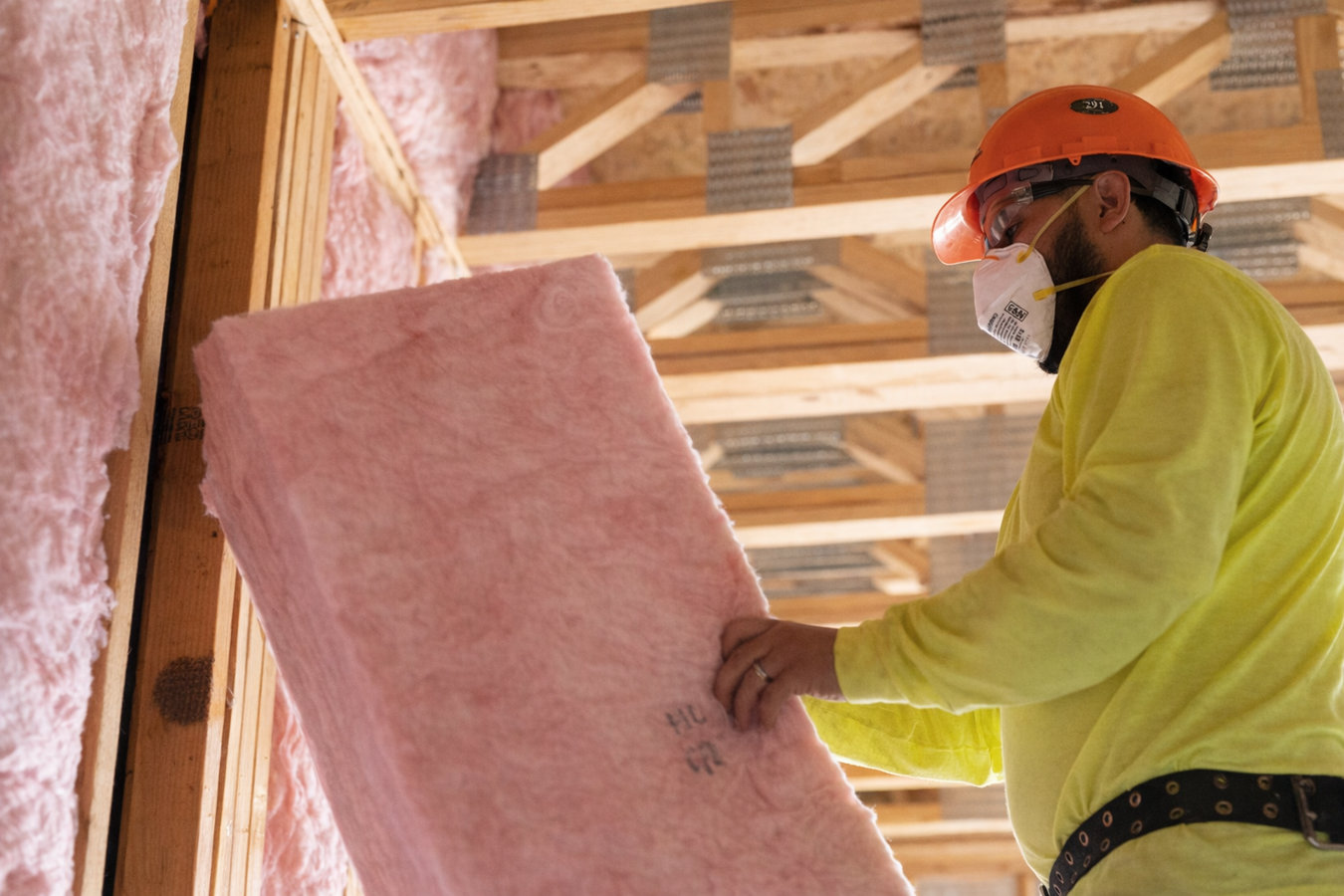
Great Falls Insulation serves Livingston with retrofit insulation, attic insulation, and crawl space services - responding within 1 business day and providing free on-site estimates for Park County homeowners.
Most of Livingston's older in-town homes were built in the railroad era and have never had a meaningful insulation upgrade. Retrofit insulation adds insulation to an existing home without gutting walls - contractors drill small access holes, blow loose-fill material behind the drywall, then patch and paint. For a Craftsman bungalow near downtown Livingston, it is often the fastest path to a noticeably warmer house.
Livingston averages around 50 inches of snow per year, and ice dams on older homes are a recurring problem every winter. The root cause is almost always the attic - heat escaping through a thin or missing insulation layer melts snow unevenly, and the refreezing at the eave line causes the dam. Bringing attic insulation up to the depth the Livingston climate requires stops that process at the source.
Livingston is one of the windiest cities in the country, and that wind forces cold air through every gap around rim joists, pipe penetrations, and foundation sills - especially in homes built more than 80 years ago. Spray foam expands to seal those specific points completely, making it the right material wherever air infiltration is as much a problem as heat conduction. A tight rim joist in a Livingston home pays for itself quickly.
The Yellowstone River runs along the edge of Livingston, and spring snowmelt regularly raises groundwater levels that push moisture toward crawl spaces and basements on lower-lying properties. Cold floors and damp conditions under the house are the first signs. Sealing and insulating the crawl space addresses both problems - it warms up floors above and creates a barrier between the ground and the living space.
In a town where gusts regularly exceed 50 mph, air sealing is not a bonus - it is the step that determines whether insulation actually works. Wind pressure actively forces cold air through gaps around outlets, plumbing penetrations, and attic bypasses that would not matter much in a calmer climate. Sealing those gaps before insulation goes in is the difference between a real upgrade and a job that disappoints by the following January.
Many of Livingston's older homes have full or partial basements built when insulating below grade was not standard practice. In a climate where frost depth reaches three to four feet, an uninsulated basement foundation wall loses heat constantly through the coldest months. Insulating the basement walls and rim joists keeps your mechanical systems warmer, reduces the load on your furnace, and makes the whole lower level of the house more livable.
Livingston is widely recognized as one of the windiest cities in the United States. Wind funnels through a gap in the Absaroka Range and hits town with average speeds around 14 mph and gusts that routinely exceed 50 mph - and occasionally 100 mph. That wind is not just uncomfortable - it is actively destructive to a home's thermal envelope. Wind-driven cold air finds every gap in siding, every unsealed penetration around pipes, and every thin spot in the building envelope and forces its way through. Insulation alone cannot stop that; the gaps have to be sealed first, and the insulation has to be thick enough to work under the pressure of sustained cold and wind. An insulation contractor who has not worked in this specific kind of climate will underestimate what Livingston homes actually need.
Add to that the age of the housing stock. Livingston was founded in 1882 as a Northern Pacific Railroad hub, and a large share of its in-town homes were built in the railroad era - before 1940, in many cases. These are wood-frame structures with clapboard or shiplap siding, minimal insulation by modern standards, and older foundations that have been through more than a century of freeze-thaw cycling. The frost depth in Park County regularly reaches three to four feet, which puts steady pressure on foundations and any plumbing running near the perimeter. Winter temperatures drop below zero with regularity, and the combination of extreme wind and extreme cold means a home that is even slightly under-insulated loses heat at a rate that most homeowners notice immediately in their energy bills and in their comfort.
We pull permits through the City of Livingston Building Department when projects require them and are familiar with which types of insulation work in this municipality trigger a permit versus what moves forward without one. Working on the older wood-frame homes that define Livingston's in-town neighborhoods means knowing the construction patterns typical of railroad-era and early 20th-century building - how the framing is laid out, where crawl space clearances tend to be tight, and what the most common air infiltration points are in homes from that period. Livingston is a small town where reputation is everything, and we treat every job accordingly.
US Highway 89 passes through Livingston on its way south toward Yellowstone National Park, and the town's layout follows the original railroad grid near the Livingston Depot Center, with older residential streets spreading out from downtown and newer subdivisions on the north and west edges of town. We work on homes throughout Livingston - from the Craftsman bungalows and Victorian-style houses near the depot to the ranch-style homes on larger lots outside the original grid. Properties near the Yellowstone River corridor can have additional moisture considerations in spring that affect what we recommend for crawl spaces and basements.
We serve homeowners throughout Park County and the surrounding region. Residents in Bozeman, MT to the west share similar housing age and climate demands, and we schedule free estimates across the whole corridor. We respond to inquiries within 1 business day and bring all equipment to the job - no subcontracting, no surprises.
We respond within 1 business day. You do not need to know exactly what is wrong - describe what you are noticing (drafts near baseboards, rising heating bills, ice dams after snowfall) and we take it from there. No sales pressure on the first call.
We come to your Livingston home, inspect the attic, crawl space, or target area, and give you a written quote covering scope, materials, and total cost. We tell you upfront if your project needs a City of Livingston permit. We address cost questions directly during this visit - no vague estimates.
The crew arrives with all equipment and handles the job start to finish. Most Livingston residential jobs wrap up in a single day. Spray foam projects require you and your pets to leave the home for two to four hours after application while the foam cures.
We walk you through the finished work before packing up so you can see exactly what was installed and where. If a permit was pulled, we coordinate the inspector follow-up directly with the Livingston Building Department - you do not have to chase that down yourself.
We serve Livingston and Park County homeowners with free estimates and 1-business-day response - no pressure, no guesswork.
(406) 216-0672Livingston is the county seat of Park County, Montana, with a population of roughly 7,500 people. It was founded in 1882 as a Northern Pacific Railroad hub, and the historic downtown - listed on the National Register of Historic Places - still carries the architectural character of that era. The city sits at the northern end of Paradise Valley, with US Highway 89 running through town toward Yellowstone National Park to the south. That gateway position means Livingston draws a mix of long-term residents, outdoor industry workers, and newer arrivals from larger cities who came for the landscape and the pace of life. Home values have risen in recent years, making maintenance and insulation upgrades a smart way to protect what is, for most residents, their largest investment.
Most of Livingston's residential neighborhoods consist of single-family homes, with the oldest and most character-rich blocks concentrated near downtown and the rail yards. Craftsman bungalows and Victorian-era homes built between 1890 and 1930 line many of the in-town streets, sitting on modest lots with older wood siding and roofing. Newer ranch-style subdivisions appear on the north and west edges of town - homes mostly from the 1990s onward that are now 20 to 30 years old and facing their own maintenance window. Rural properties and acreages stretch out into the Yellowstone River corridor and into Paradise Valley beyond the city limits. We serve homeowners throughout this area, and we also work with residents in Billings, MT to the east, where a similar mix of older housing stock and demanding Montana winters drives the same need for quality insulation work.
High-performance spray foam that seals and insulates in a single application.
Learn moreLoose-fill insulation that fills every gap for consistent, even coverage.
Learn moreWhole-home insulation services that improve comfort and reduce energy bills.
Learn moreDense, moisture-resistant closed-cell foam for maximum thermal performance.
Learn moreFlexible open-cell foam providing excellent sound dampening and insulation.
Learn moreSeal attic bypasses to prevent conditioned air from escaping through the roof.
Learn moreHeavy-duty vapor barriers that protect crawl spaces from moisture damage.
Learn moreProfessional vapor barrier installation for basements and crawl spaces.
Learn moreAdd insulation to existing walls and structures without major renovation.
Learn moreCommercial-grade insulation solutions for offices, warehouses, and more.
Learn moreServing these cities and communities.
We serve Park County homeowners and respond within 1 business day. Call or fill out the form to get started.