Loading...
Serving Great Falls, MT and surrounding areas. (406) 216-0672
Cold floors and high heating bills are not just an inconvenience. They are a sign that your basement is leaking heat. We fix that with proper insulation and air sealing built for Montana winters.
Basement insulation in Great Falls addresses heat loss through foundation walls and the rim joist area above them - most projects wrap up in one to two days and require no changes to how you use the rest of your home. The rim joist is the band of wood that sits directly on top of your foundation walls, and it is one of the single biggest air leak points in older homes. When that area is uninsulated and unsealed, cold air pours in and your floors stay cold no matter how high you set the thermostat.
A large share of Great Falls homes were built before modern energy codes, which means basement walls and rim joists are often untouched since the home was constructed. If your heating bill climbs every October and does not budge through April, the basement is one of the first places worth checking. Pairing basement insulation with closed-cell foam insulation at the rim joist is the approach that delivers the most consistent results in this climate.
The U.S. Department of Energy estimates that properly insulating and air-sealing a basement can reduce heating and cooling costs by 10 to 20 percent. In Great Falls, where the heating season runs six months or more, that savings compounds quickly.
Walk across your kitchen or living room floor in January in your socks. If it feels cold while the thermostat is set to a comfortable level, heat is escaping through the floor into an uninsulated basement. This is one of the most common complaints Great Falls homeowners share in winter, and it is almost always fixable with proper basement insulation.
If your gas or electric bill spikes every October and stays high through March despite no change in habits, your basement is likely one of the biggest culprits. In Great Falls, where winters are long and cold, heat escaping through bare foundation walls and an open rim joist adds up to real money each season.
Crouch near a first-floor baseboard on a cold, windy day and hold your hand close. A cold draft means outside air is traveling through gaps in the rim joist area below. Great Falls is one of the windiest cities in the country, and that wind drives cold air through even small cracks with more force than in calmer climates.
Homes built in Great Falls before modern energy codes were adopted almost certainly have little or no basement insulation. If you have lived in the home for years and never had this work done, a quick look at your basement walls tells you everything - bare concrete or block with nothing attached to it means there is no insulation there.
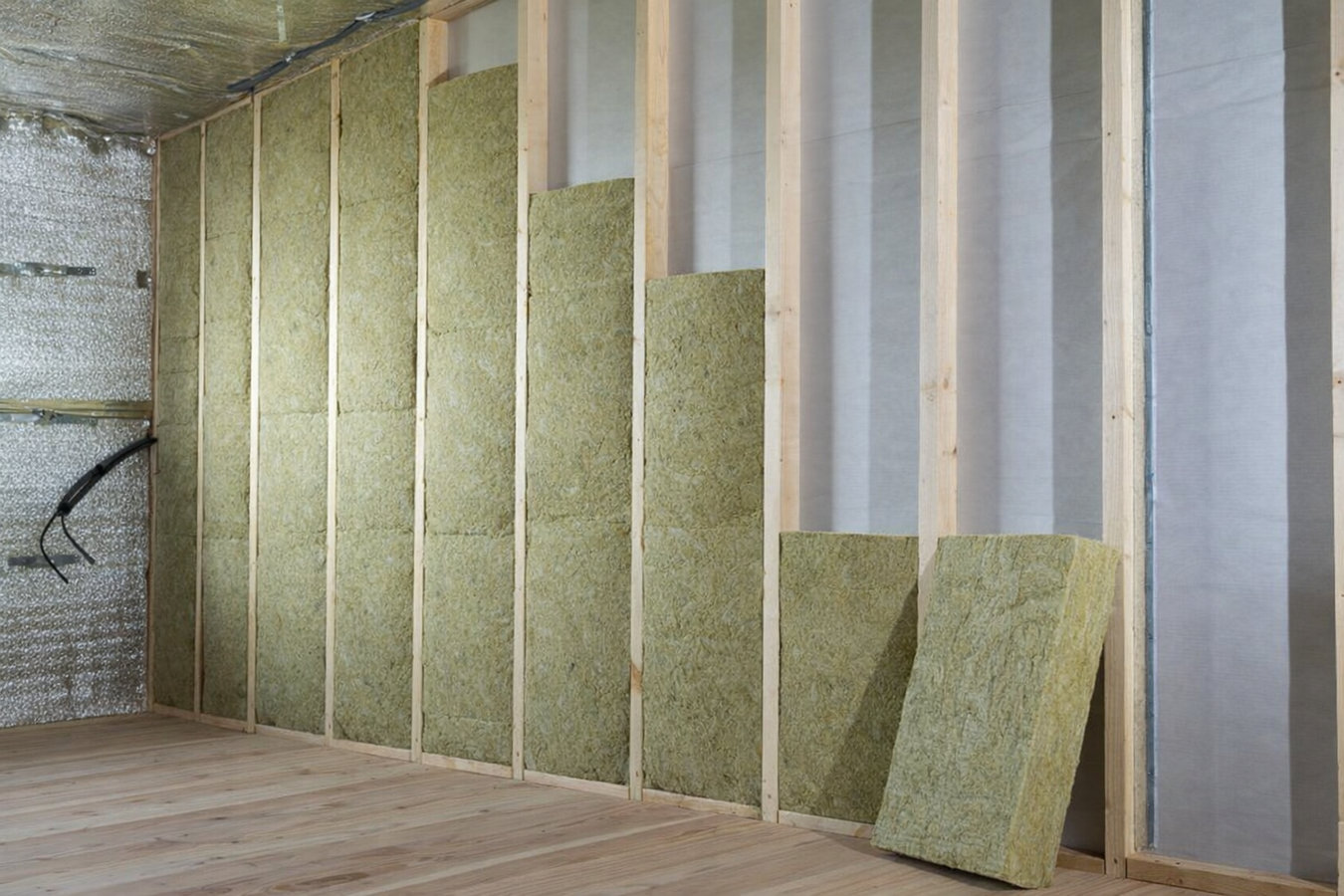
The right approach depends on how your basement is used and what your specific home needs. For basements that are finished or will be finished, insulating the foundation walls creates a warm, usable room below the main living level. For utility-only basements, insulating the ceiling above keeps the living floors warm without heating a space that does not need it. Closed-cell foam insulation is our preferred material for rim joist sealing because it handles air sealing and thermal resistance in a single application - no separate step required.
We also work closely with crawl space insulation projects, since many Great Falls homes have a combination of a partial basement and a crawl space that both need attention. Every project starts with an air-sealing assessment before insulation goes in - skipping that step means cold air still sneaks through cracks even after new material is in place, and that is not a result we are willing to deliver.
Best for finished or soon-to-be-finished basements where you want the lower level to feel like a real room.
The right fit for any home with an uninsulated band joist - particularly older Great Falls homes where this step has never been done.
Ideal for utility-only basements where you want to keep the floors above warm without heating the basement itself.
Best for basements with moisture concerns or where both air sealing and insulation need to happen in the same step.
Great Falls sits in north-central Montana, where winter temperatures regularly fall below zero and the heating season stretches from October through April. The city is also one of the windiest in the United States - sustained winds push cold air into homes through every gap they can find, and an uninsulated rim joist is one of the easiest entry points. Older homes in Great Falls, particularly the craftsman bungalows and ranch-style houses built between the 1940s and 1970s, often have bare concrete or block basement walls with no insulation attached. The wind that makes winters feel brutal here makes those gaps worse than they would be in a calmer part of the state.
We serve all of Great Falls and the surrounding region. Homeowners in Butte, MT and Missoula, MT face similar cold-weather challenges with older housing stock, and we cover those areas as well. If you are unsure whether we serve your location, call us and we will give you a straight answer.
We will ask a few basic questions - your basement size, whether it is finished or unfinished, and any history of moisture. We respond within 1 business day and schedule a free in-home estimate. Phone quotes are not accurate enough for this work.
We walk through your basement, check the rim joist area, look for moisture signs, and measure the space. You receive a written estimate covering air sealing, insulation material, scope, and total cost - not a vague number.
Before the crew arrives, move stored items away from the walls. The crew works in the basement while the rest of your home stays fully usable. Most projects finish in one to two days.
When work is complete, we walk you through what was installed and where. If a permit was required, a city inspector signs off before any finishing work covers the insulation - your contractor coordinates that step.
We respond within 1 business day - no obligation to book. After you submit, someone from our office will call to schedule a free in-home estimate at a time that works for you.
(406) 216-0672You get a written scope before we start and a walkthrough when we finish. Our experienced crews coordinate any permits the job requires and leave you with a clear record of what was done.
We are a Great Falls company, not a franchise dispatching a subcontractor from out of town. We know the housing stock here - the older bungalows near downtown, the ranch homes built in the 1960s and 1970s - and we understand what those homes need in a Montana winter.
Every basement insulation job we do starts with an air-sealing assessment. Adding insulation without sealing first is a shortcut that delivers poor results. We include both steps because that is the only way to actually fix a cold, drafty basement.
When a project requires a building permit through the City of Great Falls, we handle the application and schedule the inspection. That documentation protects you - the work is on record, third-party inspected, and will not become a problem if you sell the home.
Every project we complete in Great Falls is permitted where required, inspected, and documented so you have proof the work was done correctly. Request a free estimate or call (406) 216-0672.
The go-to material for rim joist sealing and foundation wall coverage - closed-cell foam handles both air sealing and insulation in a single step.
Learn moreMany Great Falls homes have a crawl space adjacent to the basement - addressing both spaces together gives you a complete thermal barrier at the ground level.
Learn moreSchedule a free on-site estimate now and get your project booked before the fall heating season fills the calendar.