Loading...
Serving Great Falls, MT and surrounding areas. (406) 216-0672
Great Falls Insulation brings wall insulation, attic insulation, and spray foam services to Missoula homeowners - including the craftsman bungalows and wood-frame homes near the University District that lose the most heat, with free estimates and 1 business day response.
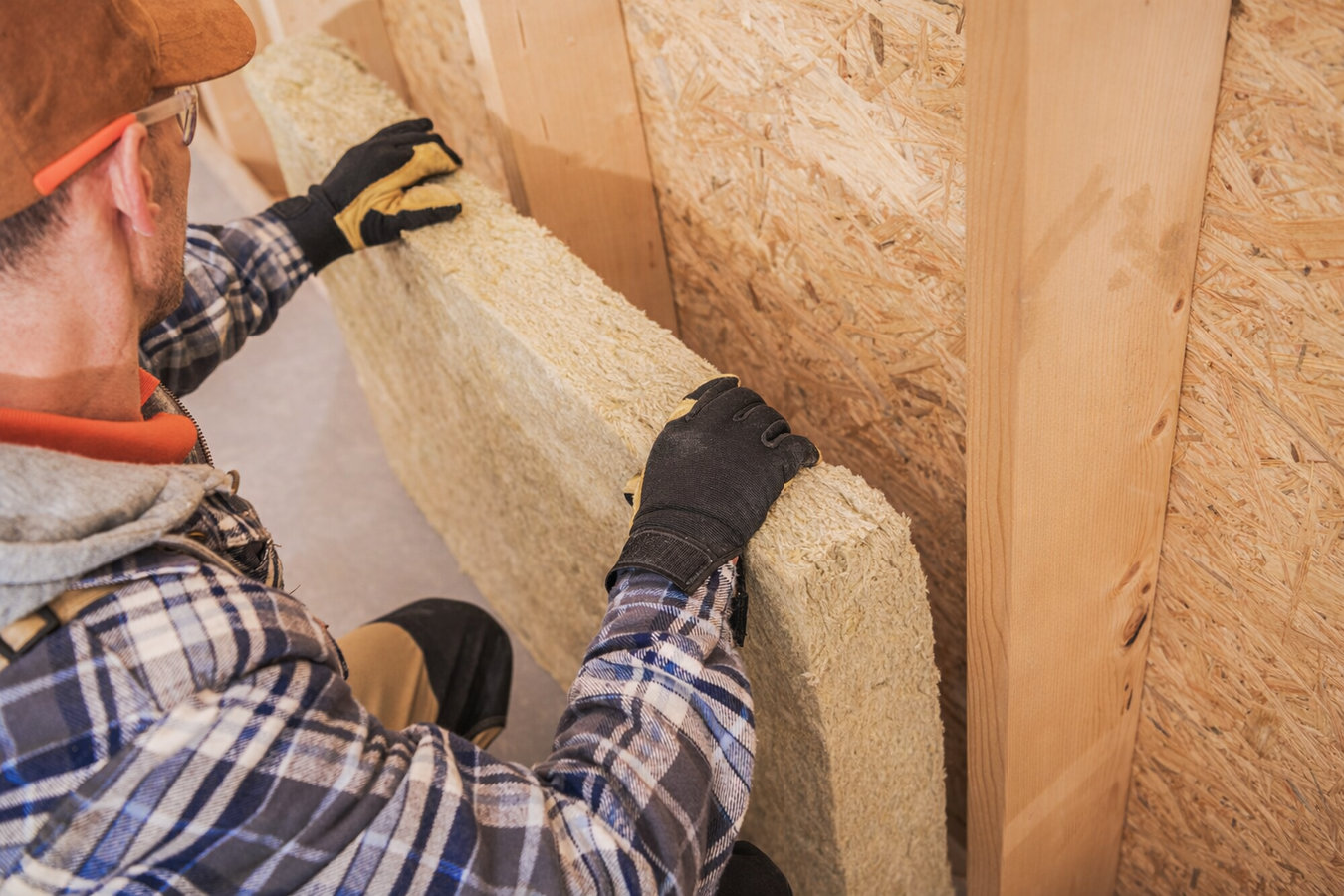
Missoula's craftsman bungalows and wood-frame homes from the 1940s and 1950s were built with wall cavities that have little or no insulation remaining. Wall insulation blown or injected into those cavities is one of the most impactful upgrades available for these older homes - stopping the drafts that show up on every cold windy day near the University District and downtown.
Half of Missoula homes were built before 1970, and most of those attics have settled, compressed insulation that falls far short of what a Montana winter demands. Bringing attic depth up to current standards is consistently the highest-return insulation upgrade available to Missoula homeowners - the heating season runs October through April, so every improvement pays off across many months.
Hillside homes in the South Hills and Rattlesnake neighborhoods often sit above crawl spaces exposed to drainage and cold air from the surrounding slope. Insulating and sealing a crawl space stops cold floors, protects pipes from freezing, and addresses the moisture that can accumulate under these properties during spring snowmelt from the mountains above.
Missoula winters bring hard freezes from November through March, and older homes with gaps around pipes, rim joists, and framing connections let cold air in from every direction. Spray foam expands to seal those gaps completely - making it the most effective solution for Missoula homes that have been drafty for years despite other repairs.
The irregular joist bays and tight corners common in Missoula's older bungalows are exactly where blown-in loose-fill material excels - it fills shapes that batts leave gapped. It is also one of the most cost-effective ways to bring an older Missoula attic up to the depth Montana winters actually require, without a full gut renovation.
Missoula sits in a valley where temperature inversions can trap cold air at ground level for days at a time, amplifying how much cold infiltrates homes through gaps around outlets, plumbing, and attic hatches. Air sealing closes those entry points before insulation goes in - and without it, even the best insulation leaves a home drafty on the coldest valley nights.
Missoula sits in a mountain valley where cold air pools on calm winter nights and temperatures can stay well below freezing for days at a stretch. The city averages around 44 inches of snow per year, and the Clark Fork River valley geography means some neighborhoods see colder conditions than others - particularly low-lying areas near the river that trap cold air. Freeze-thaw cycles in late fall and early spring are hard on foundations, concrete, and any part of a home that holds moisture, including uninsulated crawl spaces that go through repeated wet-and-freeze cycles. The summers are hot and dry with intense UV exposure that breaks down exterior materials quickly, so the insulation inside the walls has to carry the full thermal load season after season.
The housing stock in Missoula makes the problem more acute than in newer cities. About half the homes here were built before 1970, and many of those - the craftsman bungalows near the University of Montana campus, the small ranch homes in the older flat neighborhoods, the wood-frame houses in the Rattlesnake area - have insulation levels that were considered acceptable in 1955 but fall far short of what a Montana winter actually demands today. Deferred maintenance is also common in a city with a large rental population: homes that have passed through multiple owners or been used as rentals often have patchy, inconsistent insulation that gets worse over time rather than better. Investing in a thorough insulation upgrade addresses the cold, the moisture, and the energy cost all at once.
Our crews regularly work on the older housing stock throughout Missoula - the craftsman bungalows and two-story wood-frame homes near downtown and the University District that were built in the 1940s and 1950s with wall cavities that are now largely empty or filled with degraded original material. When permits are required, we pull them through the City of Missoula Development Services and coordinate the inspection schedule directly, so you do not have to manage that process yourself.
We know Missoula's neighborhoods well enough to move through the city efficiently. The South Hills and Rattlesnake areas above the valley floor have hillside homes with walkout basements and steeper driveways that require different access planning than the flat in-town lots near the Clark Fork River. The Orchard Homes area and the Grant Creek corridor to the northwest have newer construction from the 1990s and 2000s that presents different insulation needs than the older in-town stock. Brooks Street, Reserve Street, and the Higgins Avenue corridor get us where we need to go without adding time to the schedule.
We serve homeowners throughout western Montana. Residents in Kalispell, MT to the north deal with similarly cold winters and many of the same older housing stock challenges. We respond to all inquiries within 1 business day and can typically schedule an in-home estimate within a few days of your first contact.
We respond within 1 business day. Tell us what you are noticing - cold floors, high bills, drafty rooms - and we will ask a few basic questions about your home's age and the areas you want addressed. No commitment required on the first call.
We visit your home, inspect the attic, crawl space, or wall cavities in question, and provide a written quote that covers scope, materials, and total cost. If your project needs a permit through Missoula Development Services, we tell you upfront and handle the application - no surprises later.
The crew arrives with all equipment and handles the job from start to finish. Most Missoula residential projects wrap up in a single day. Spray foam jobs require the home to be empty for two to four hours after application while the foam cures and the space ventilates.
We walk you through the completed work so you can see exactly what was done before we pack up. If a permit was pulled, we coordinate the city inspection directly with Missoula Development Services - you do not have to schedule that separately.
We serve homeowners throughout Missoula - from the University District to the South Hills to Grant Creek - and respond within 1 business day. No obligation, just an honest look at what your home needs.
(406) 216-0672Missoula is one of Montana's largest cities, with about 75,000 residents and a role as the regional hub for western Montana. It sits in a valley where the Clark Fork River runs through the center of town, and the city's geography shapes everything from neighborhood character to drainage conditions. The University of Montana campus anchors the south side of downtown and enrolls around 10,000 students, which means a large share of the housing near campus is renter-occupied - and many of those properties have deferred maintenance from years of landlord-minimum upkeep. The South Hills and Rattlesnake neighborhoods sit on slopes above the valley floor and feature hillside homes with walkout basements and retaining walls. Newer subdivisions spread out along the Mullan Road corridor, Grant Creek, and the Orchard Homes area to the northwest, with ranch-style and two-story homes built from the 1990s through the 2000s.
The older in-town neighborhoods - particularly the University District and the areas near downtown along Higgins Avenue - are filled with craftsman bungalows and wood-frame houses from the 1940s and 1950s. These homes are charming and well-built for their era, but they have wall cavities and attics that were never insulated to a standard that works in a Montana winter. The Rattlesnake National Recreation Area begins right at the north edge of the city, and the neighborhoods that back up against it sit at elevations where cold air drainage from the wilderness area can push temperatures even lower than the valley floor. We serve all of Missoula, and homeowners in nearby Kalispell, MT and Whitefish, MT to the north are also within our service area.
High-performance spray foam that seals and insulates in a single application.
Learn moreLoose-fill insulation that fills every gap for consistent, even coverage.
Learn moreWhole-home insulation services that improve comfort and reduce energy bills.
Learn moreDense, moisture-resistant closed-cell foam for maximum thermal performance.
Learn moreFlexible open-cell foam providing excellent sound dampening and insulation.
Learn moreSeal attic bypasses to prevent conditioned air from escaping through the roof.
Learn moreHeavy-duty vapor barriers that protect crawl spaces from moisture damage.
Learn moreProfessional vapor barrier installation for basements and crawl spaces.
Learn moreAdd insulation to existing walls and structures without major renovation.
Learn moreCommercial-grade insulation solutions for offices, warehouses, and more.
Learn moreServing these cities and communities.
Book a free on-site estimate and get your insulation project scheduled before the cold sets in. We serve all Missoula neighborhoods and respond within 1 business day.