Loading...
Serving Great Falls, MT and surrounding areas. (406) 216-0672
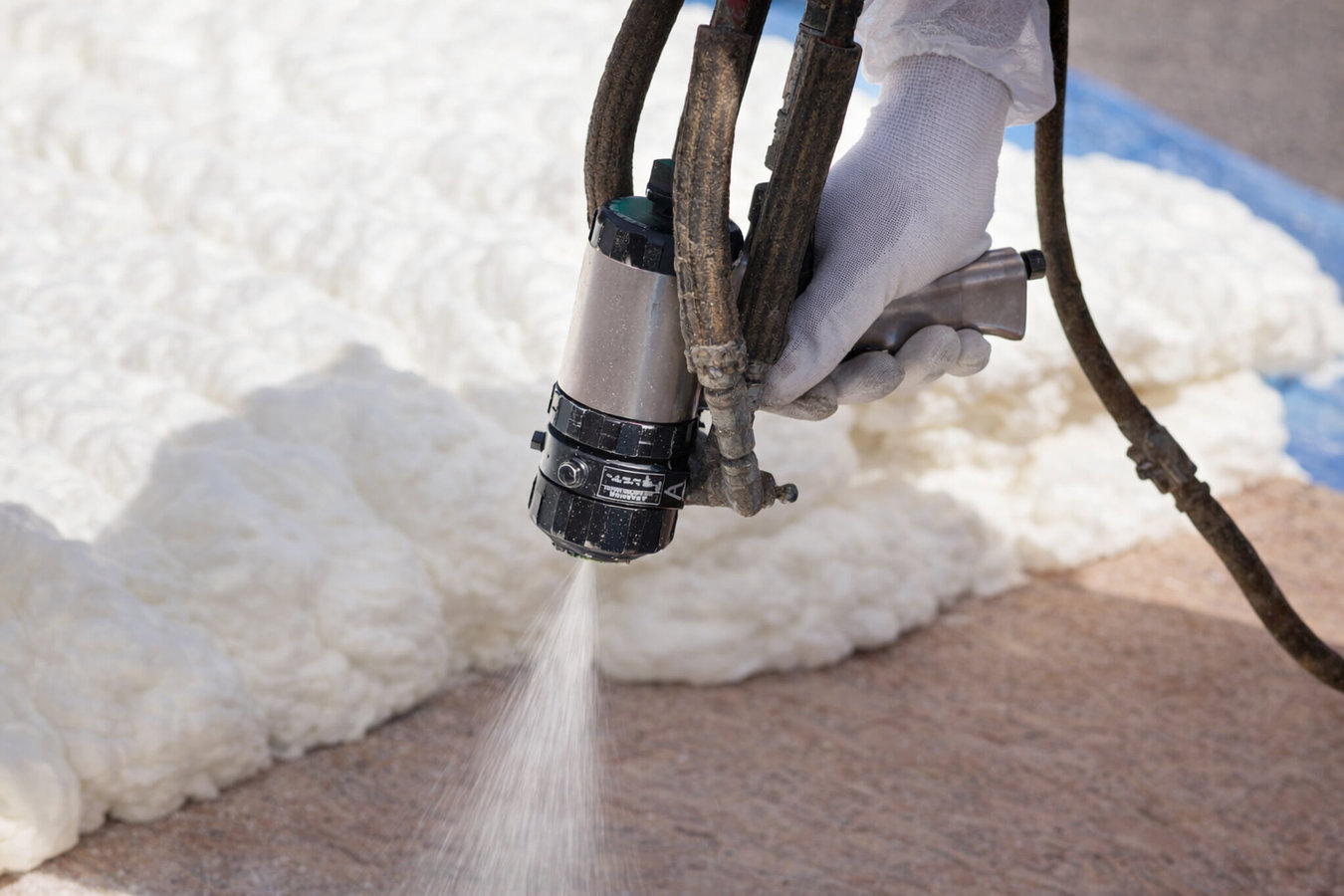
Great Falls Insulation serves Bozeman homeowners with spray foam, attic insulation, and crawl space services - responding within 1 business day and providing free on-site estimates across the Gallatin Valley.
Bozeman sits at nearly 5,000 feet and sees around 100 inches of snow per year, which means cold air finds every gap in your home all winter long. Spray foam insulation expands to seal those gaps completely - making it the right call for older in-town craftsman homes and newer subdivision builds alike.
Bozeman winters produce heavy snow loads that sit on roofs for weeks at a time. Ice dams - those ridges of ice that build up at the eaves - are a direct result of heat escaping through a thin or patchy attic. Properly insulating your attic keeps the roof deck cold, stops ice dams from forming, and holds the heat your furnace produces inside your living space where it belongs.
The older craftsman homes and foursquares near downtown Bozeman have irregular attic joist bays that batts never fully cover. Blown-in loose-fill material fills those corners and odd spaces completely, and it is one of the most cost-effective ways to bring a pre-1950s Bozeman attic up to the insulation depth Montana climate demands.
Bozeman sits on Gallatin Valley clay soils that stay wet through spring snowmelt, and uninsulated crawl spaces under older in-town homes let both cold and moisture circulate freely under your floors. Insulating and sealing a crawl space stops cold floors, protects pipes from freezing, and addresses the moisture risk that clay-heavy soil creates every spring.
Many of Bozeman's older homes near the Bon Ton Historic District were never insulated to modern standards. Retrofit insulation upgrades existing walls and ceilings without requiring a full renovation - a practical option for homeowners who want the comfort benefits without tearing out finishes in a home that has real character.
Bozeman summer thunderstorms bring hail, and the shoulder seasons bring dramatic temperature swings that stress every joint and penetration in a home's envelope. Air sealing closes those gaps before insulation goes in - it is the step that makes everything else perform the way the spec says it should, especially in a climate that changes this fast.
Bozeman is one of the fastest-growing cities in the country, but that growth sits on top of one of the more challenging climates in Montana. The city receives roughly 100 inches of snow per year and sees temperatures drop well below zero in January and February. Frost depth can reach three to four feet in a hard winter, which puts steady pressure on foundations, concrete, and crawl spaces. At nearly 5,000 feet of elevation, UV exposure is intense year-round, which degrades exterior materials faster than homeowners expect. The combination of heavy snow loads, deep frost, and wide temperature swings between seasons creates a consistent demand for insulation that is actually sized to the conditions here.
The city's housing stock makes the challenge more complex. Bozeman has two very different layers of residential inventory sitting on top of each other. The older neighborhoods near downtown - areas like the South Side and the Bon Ton Historic District - are filled with craftsman bungalows and foursquares built between 1900 and 1950, many with original wood framing and little or no insulation in the crawl space or attic. On top of that older stock sits a massive wave of new construction that has been running since 2010, with subdivisions like Baxter Meadows and Bridger Creek adding thousands of newer homes. The soils underneath much of this development include clay and alluvial deposits from the Gallatin River that expand when wet and shrink when dry - that seasonal movement creates drainage challenges and moisture risk in crawl spaces and lower-level spaces that need to be factored into how insulation work is planned and executed.
We pull permits through the City of Bozeman Building Division when projects require them and are familiar with what types of work trigger a permit requirement in this municipality versus what can proceed without one. Bozeman's building department has become more active as the city has grown, and knowing the current requirements ahead of a job saves time and avoids surprises at inspection. We also understand the difference between working on a 1930s craftsman a few blocks off Main Street and a 2015 construction in a north-side subdivision - the access conditions, the framing, and the insulation challenges are different enough to matter.
The city stretches from the older rental neighborhoods around Montana State University on the south side to the newer developments spreading north toward the Bridger Range. We move through Bozeman efficiently - from North 19th Avenue to the West Main corridor, from the South Side up toward the Bridger Creek area - and can fit multiple jobs in a single day without rushing through any of them. Whether a home is near Bridger Bowl or in a subdivision on the west side, we know the area well enough to show up ready.
We also serve homeowners in the nearby communities surrounding Bozeman. Residents in Belgrade, MT - just west of Bozeman along the Gallatin Valley floor - face the same winter conditions and the same demand for properly sized insulation. We respond to inquiries from both areas within 1 business day and schedule free estimates throughout the valley.
We respond within 1 business day. You do not need to know exactly what the problem is - just describe what you are noticing (cold floors, high bills, ice dams last winter) and we take it from there. No sales pressure on the first call.
We visit your Bozeman home, inspect the attic, crawl space, or target area, and give you a written quote that breaks down scope, materials, and total cost. We tell you upfront whether your project needs a City of Bozeman permit - no surprises after the work begins.
The crew arrives on time with all equipment and handles the job start to finish. Most Bozeman residential jobs finish in a single day. Spray foam projects require you to leave the home for two to four hours after application while the foam cures.
We walk you through the finished work so you can see exactly what was done before we pack up. If a permit was pulled, we coordinate the city inspector follow-up directly with the Bozeman Building Division - you do not have to chase that down.
We serve Bozeman homeowners across the Gallatin Valley - free estimates, 1-business-day response, no pressure.
(406) 216-0672Bozeman sits at about 4,820 feet in the Gallatin Valley, surrounded by mountains on three sides and anchored by Montana State University, which has been part of the community since 1893. The city has crossed 50,000 residents and is one of the fastest-growing communities in the country for its size, driven by remote workers, outdoor recreation, and a strong local economy. Downtown Bozeman runs along Main Street and is lined with locally owned shops and buildings that date back to the late 1800s, while the newer subdivisions spreading north and west reflect the building boom that has reshaped the city over the past 15 years. The housing stock reflects both eras - craftsman-era homes near the university neighborhood sit a few miles from newer construction in Baxter Meadows and Cattail Creek.
The rental neighborhoods around MSU - particularly the South Side and areas along South 11th and South 8th avenues - have a high share of older wood-frame homes that were built quickly during earlier growth periods and have seen varying levels of upkeep. The larger Bozeman metro area includes communities throughout the Gallatin Valley, including Belgrade, MT to the west and Livingston, MT to the east through the Bozeman Pass. Both communities share the same mountain climate and the same need for insulation sized to Montana winters.
High-performance spray foam that seals and insulates in a single application.
Learn moreLoose-fill insulation that fills every gap for consistent, even coverage.
Learn moreWhole-home insulation services that improve comfort and reduce energy bills.
Learn moreDense, moisture-resistant closed-cell foam for maximum thermal performance.
Learn moreFlexible open-cell foam providing excellent sound dampening and insulation.
Learn moreSeal attic bypasses to prevent conditioned air from escaping through the roof.
Learn moreHeavy-duty vapor barriers that protect crawl spaces from moisture damage.
Learn moreProfessional vapor barrier installation for basements and crawl spaces.
Learn moreAdd insulation to existing walls and structures without major renovation.
Learn moreCommercial-grade insulation solutions for offices, warehouses, and more.
Learn moreServing these cities and communities.
We serve homeowners across the Gallatin Valley and respond within 1 business day. Call or fill out the form to get started.